.png)

Colorado Parks and Wildlife Leads Major Habitat Restoration Efforts After 2025 Wildfires
Description: Colorado Parks and Wildlife is restoring thousands of acres of wildlife habitat across Western Colorado after the 2025 wildfire season, using large-scale reseeding projects to protect mule deer, elk winter range, and watersheds.
Colorado Parks and Wildlife is helping restore thousands of acres impacted by 2025 wildfires
MONTROSE, Colo. — After one of Colorado’s most significant wildfire seasons in 2025, Colorado Parks and Wildlife’s (CPW) local area staff and Habitat Conservation Team are helping coordinate large-scale efforts to restore wildlife habitat and protect watersheds across Western Colorado.
Beginning in spring 2025, persistent drought conditions contributed to an intense wildfire season, with more than 265,000 acres burned statewide. Several major fires on the Western Slope caused significant impacts to critical wildlife habitat, including important mule deer and elk winter range:
-
Lee Fire: 137,758 acres
-
Elk Fire: 14,518 acres
-
Sowbelly Fire: 2,274 acres
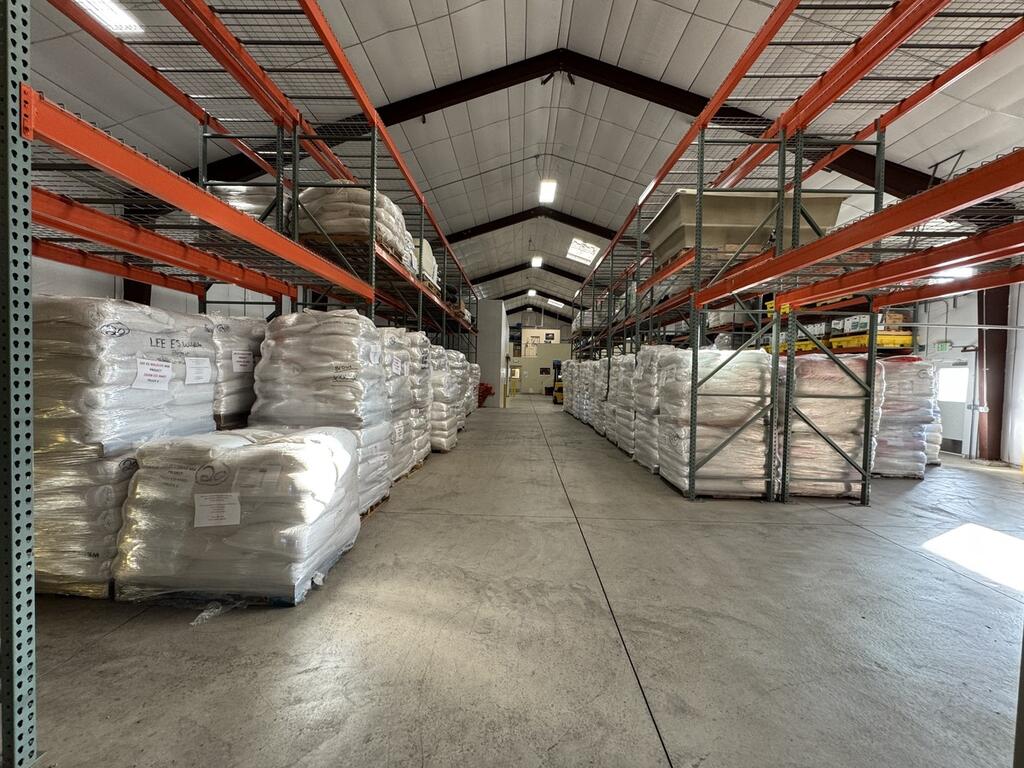
Multiple CPW programs and sections, supported by the agency’s Escalante State Wildlife Area (SWA) Seed Warehouse, mobilized quickly during and after the fires to prioritize restoration efforts that would deliver the greatest benefit to wildlife and watersheds.
“While the seed warehouse itself is relatively small, its impact is enormous in a big wildfire year,” said Tanya Banulis, a CPW habitat coordinator working at the Escalante SWA Seed Warehouse. “It allows us to quickly coordinate with federal agencies, secure seed, and focus restoration on the areas where it will make the biggest difference for wildlife and long-term recovery.”
Seed warehouse enables rapid, large-scale response
As fires were still burning in summer 2025, CPW’s Habitat Conservation Team began coordinating with conservation partners and placing seed orders. More than 341,000 pounds of seed have come through the seed warehouse for partners, along with an additional 30,000 pounds reserved for CPW restoration projects.
All seed has been shipped to and staged at CPW’s Escalante SWA Seed Warehouse near Delta, where it is stored under climate-controlled conditions until application.
Restoration underway on Oak Ridge State Wildlife Area
One of the most immediate restoration efforts followed the Elk Fire, which burned significant portions of Oak Ridge State Wildlife Area. With help from partners such as Rocky Mountain Elk Foundation and Muley Fanatic Foundation, during fall and winter 2025, CPW completed restoration work on 860 acres, including:
-
160 acres of abandoned agricultural land treated with site preparation and no-till seeding to establish a more diverse plant community
-
700 acres of mule deer and elk winter range treated using soil scarification with an Ely chain and aerial seeding
-
The combined cost of these projects was $171,000, representing restoration techniques that are core tools in CPW’s land management toolbox. An additional 200 acres at Oak Ridge SWA are planned for seeding in spring 2026.
Aerial seeding planned for Lee Fire
In February, CPW will support the Bureau of Land Management on a major restoration effort on lands affected by the Lee Fire. Approximately 300,000 pounds of seed will be applied aerially to 24,000 acres.
Of those acres:
-
6,889 acres are targeted mule deer winter range and Greater Sage-Grouse habitat
-
Remaining areas include heavily burned pinyon-juniper woodlands, where reseeding will help reduce erosion and invasive weeds
Support for private landowners
The White River committee of CPW's Habitat Partnership Program, led by District Wildlife Officer Bailey Franklin, provides seed mix recommendations and application prescriptions that save land managers time and money by avoiding the application of ineffective generic mixes. In addition to work on public lands, the Habitat Partnership Program will assist private landowners with restoration efforts on:
-
200 acres of aerial seeding
-
Approximately 1,080 acres of mechanical seeding
-
Ongoing efforts for the foreseeable future
Strategic reseeding following wildfire is critical for wildlife habitat and protecting watersheds. When fires burn intensely, soils can become hydrophobic, preventing water infiltration and increasing the risk of flooding, erosion and impacts to aquatic ecosystems.
The Escalante SWA Seed Warehouse, built in 2012, allows CPW to purchase seed in bulk when it is available and store it for future use, which is a crucial advantage during large wildfire years when seed supplies are limited.
“We can’t restore every acre impacted by wildfire,” Banulis said. “But having seed on hand and the ability to move quickly helps put thousands of acres on a better trajectory for long-term ecological recovery.”