.png)

CPW Warns of Water Dangers: Spring Boating Safety Tips Every Colorado Boater Should Know
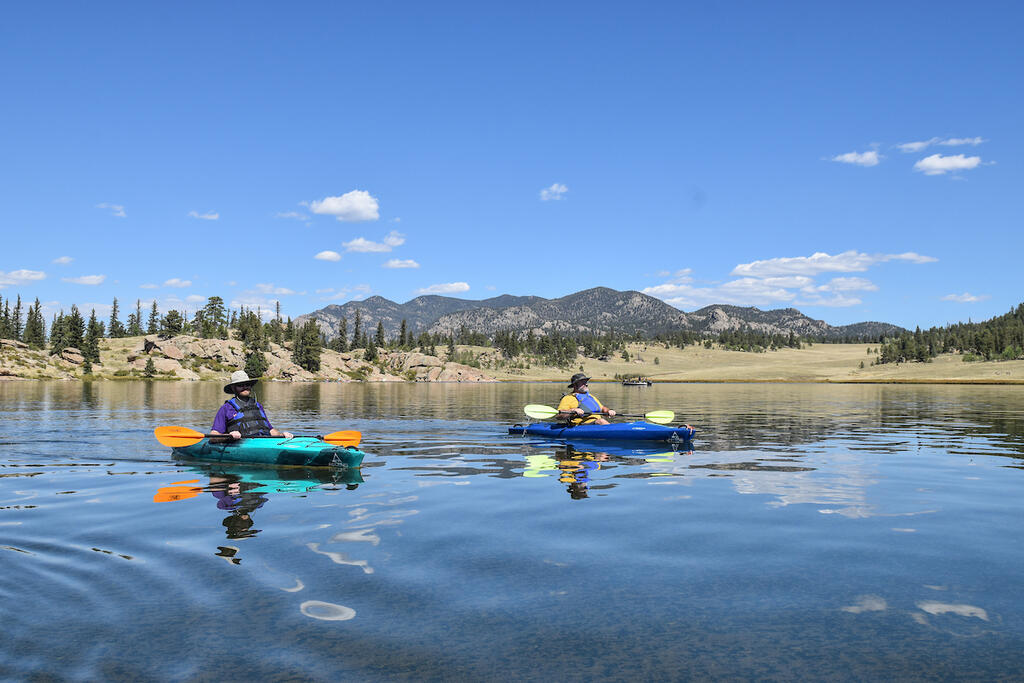
Description: Planning to boat in Colorado this spring? CPW highlights life jacket requirements, cold water risks, and key safety tips to prevent drowning and stay safe on unpredictable waters. Read the full Press release from Colorado Parks and Wildlife...
Colorado Parks and Wildlife Urges Boaters to Wear Life Jackets as Cold Water Risks Rise This Spring
DENVER ‒ As temperatures rise, boating safety should too. Ahead of the warm weekend, Colorado Parks and Wildlife (CPW) urges outdoor recreationists participating in boating activities to be smart on the water and follow Colorado’s boating regulations and safety guidelines.
Colorado weather is famously unpredictable, with conditions changing constantly. In March, the state experiences melting snowpacks, muddy trails, thinning ice, cold water temperatures, and strong currents on reservoirs and rivers. This unpredictability underscores the importance of planning your outdoor activities with caution and preparedness.
“Boating is a favorite pastime of Coloradans and visitors alike, but we want to make sure that you enjoy your outdoor experience and return home safely,” said CPW Director Laura Clellan. “Although outdoor temperatures are warm, the water beneath is still very cold, so we encourage you to layer up and put on your life jacket before launching your boat.”
Water below 68 degrees Fahrenheit is dangerous. Sudden immersion in cold water can cause gasping, water inhalation, and hypothermia, leading to unconsciousness or swimming failure as muscles become numb.
Life jackets truly save lives, and the majority of water-related deaths occur because people do not wear them. Regardless of age or experience level, cold water can quickly create a drowning emergency. A life jacket will keep your airway clear of water, keep your head above water, and support your body should you stop swimming or become unconscious.
CPW officers actively issue $100 tickets to boaters and paddlers who are not wearing life jackets; however, personal accountability for safety is important when recreating on Colorado waters, where lifeguards are not present along all shorelines.
Spring Boating Safety: What Every Boater Needs to Know
“On the surface, reservoirs and lakes can seem warm, but the water underneath is cold and deep in some areas, which can cause your body to go into shock and make swimming to shore difficult,” said Boating Safety and Registrations Program Manager Grant Brown. "Wearing a life jacket during a water emergency significantly boosts your survival odds, because it keeps your head above water so you can breathe in case you experience hypothermia, changes in depth or unexpected strong wind currents.”
Be a Pain in the ANS!
Aquatic Nuisance Species (ANS) are invasive species that damage bodies of water and impact industries and products such as wine, corn, beer, peaches, drinking water and outdoor recreation. If recreating in Colorado’s water, you can Be a Pain in the ANS — and stop the spread of invasive species.
Colorado weather is famously unpredictable, with conditions changing constantly. In March, the state experiences melting snowpacks, muddy trails, thinning ice, cold water temperatures, and strong currents on reservoirs and rivers. This unpredictability underscores the importance of planning your outdoor activities with caution and preparedness.
“Boating is a favorite pastime of Coloradans and visitors alike, but we want to make sure that you enjoy your outdoor experience and return home safely,” said CPW Director Laura Clellan. “Although outdoor temperatures are warm, the water beneath is still very cold, so we encourage you to layer up and put on your life jacket before launching your boat.”
Water below 68 degrees Fahrenheit is dangerous. Sudden immersion in cold water can cause gasping, water inhalation, and hypothermia, leading to unconsciousness or swimming failure as muscles become numb.
Life jackets truly save lives, and the majority of water-related deaths occur because people do not wear them. Regardless of age or experience level, cold water can quickly create a drowning emergency. A life jacket will keep your airway clear of water, keep your head above water, and support your body should you stop swimming or become unconscious.
CPW officers actively issue $100 tickets to boaters and paddlers who are not wearing life jackets; however, personal accountability for safety is important when recreating on Colorado waters, where lifeguards are not present along all shorelines.
Spring Boating Safety: What Every Boater Needs to Know
- Wear a life jacket.
- Find a CPW life jacket loaner station to borrow a life jacket.
- Paddleboards and kayaks are considered vessels, and life jacket requirements apply.
- Heavy rain or snowmelt from nearby mountains can raise water levels quickly and without notice. Check river flows at https://dwr.state.co.us/Tools/Stations.
- Water flows on streams and river bottoms can be inconsistent, so beware of rocks and unmarked hazards that may be present below the surface.
- Colorado waters are not monitored by lifeguards. You swim and boat at your own risk.
- Only boat or paddle in conditions you are comfortable and confident paddling in.
- Boat and raft with a buddy and avoid floating alone, especially during high flows.
- Bring layers of clothing for elevation and changing weather conditions, and a sound-producing device (whistle, horn) if you need to call for help.
- Alcohol impairs judgment, balance, vision and reaction time on the water, and can increase fatigue and the dangers of cold-water immersion. A general rule to remember is that one drink on land is equivalent to three drinks on the water.
- Ensure chains on boat trailers are secure and not dragging on the ground, to avoid sparking a fire.
“On the surface, reservoirs and lakes can seem warm, but the water underneath is cold and deep in some areas, which can cause your body to go into shock and make swimming to shore difficult,” said Boating Safety and Registrations Program Manager Grant Brown. "Wearing a life jacket during a water emergency significantly boosts your survival odds, because it keeps your head above water so you can breathe in case you experience hypothermia, changes in depth or unexpected strong wind currents.”
Be a Pain in the ANS!
Aquatic Nuisance Species (ANS) are invasive species that damage bodies of water and impact industries and products such as wine, corn, beer, peaches, drinking water and outdoor recreation. If recreating in Colorado’s water, you can Be a Pain in the ANS — and stop the spread of invasive species.
- “Clean, drain and dry” your boat, wet equipment, waders and boots.
- Use a CPW Gear and Watercraft Cleaning Station to decontaminate your gear.
- Share resources located in the Be a Pain in the ANS Media Kit to help protect Colorado waters.